
Digital Fashion Trends: How Technology is Shaping Style


Introduction to Digital Fashion
The world of fashion is undergoing a radical transformation, thanks to the integration of cutting-edge technology. Digital fashion trends are reshaping the way we perceive style, offering a blend of innovation, convenience, and sustainability. From virtual try-ons to AI-generated designs, technology is at the forefront of this exciting evolution.
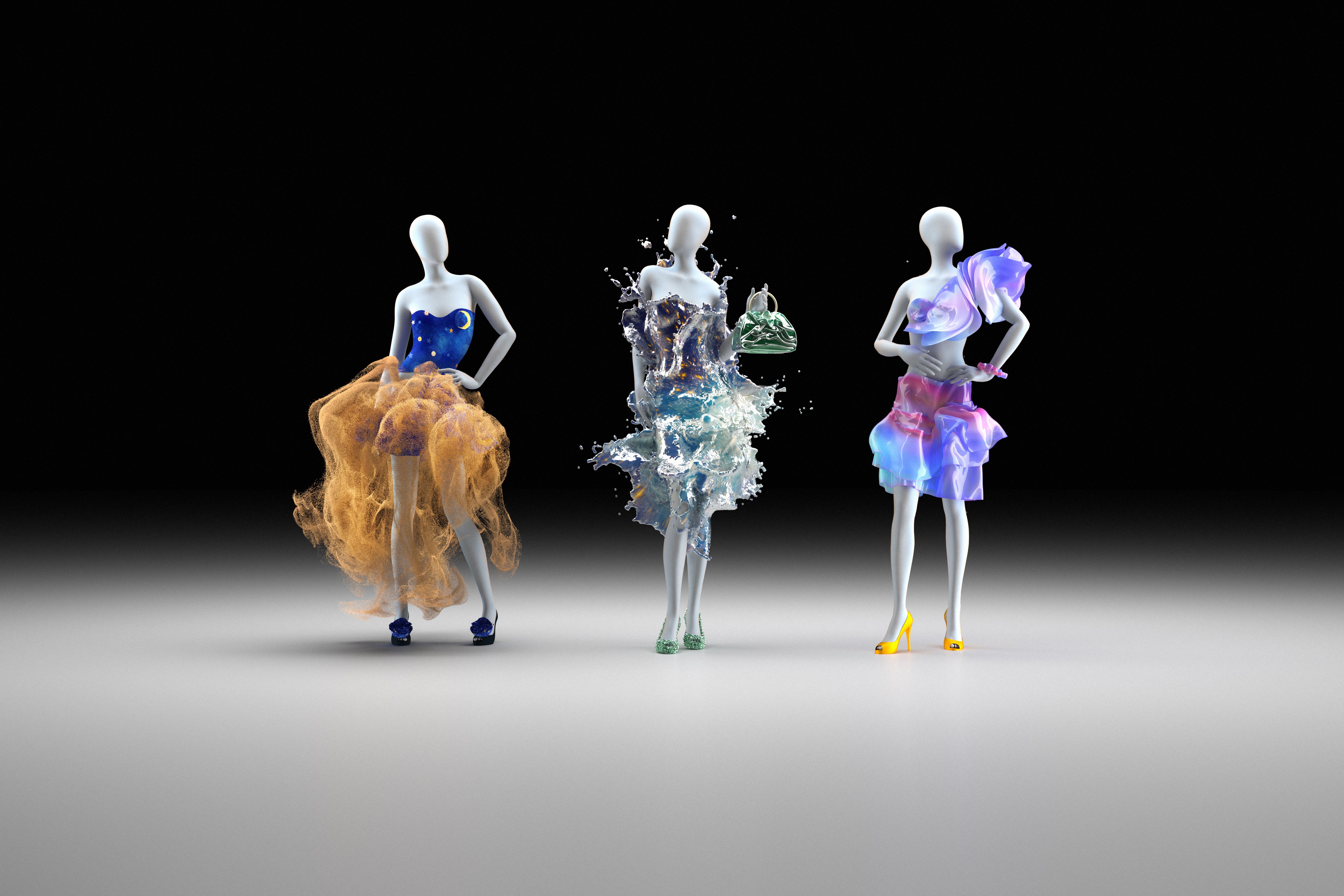
Virtual and Augmented Reality
One of the most significant advancements in digital fashion is the use of virtual and augmented reality (VR/AR). These technologies allow consumers to try on clothes virtually, eliminating the need to visit physical stores. With AR, shoppers can visualize how garments will look on them in real-time, providing a more personalized and engaging shopping experience.
Brands are leveraging these tools to create immersive experiences that captivate consumers. By integrating VR/AR into their platforms, they are not only enhancing customer satisfaction but also reducing the carbon footprint associated with returns and exchanges.
Artificial Intelligence in Fashion Design
Artificial intelligence (AI) is revolutionizing the fashion industry by enabling the creation of unique, data-driven designs. Designers now have access to algorithms that can predict trends, suggest color palettes, and even create entire collections.
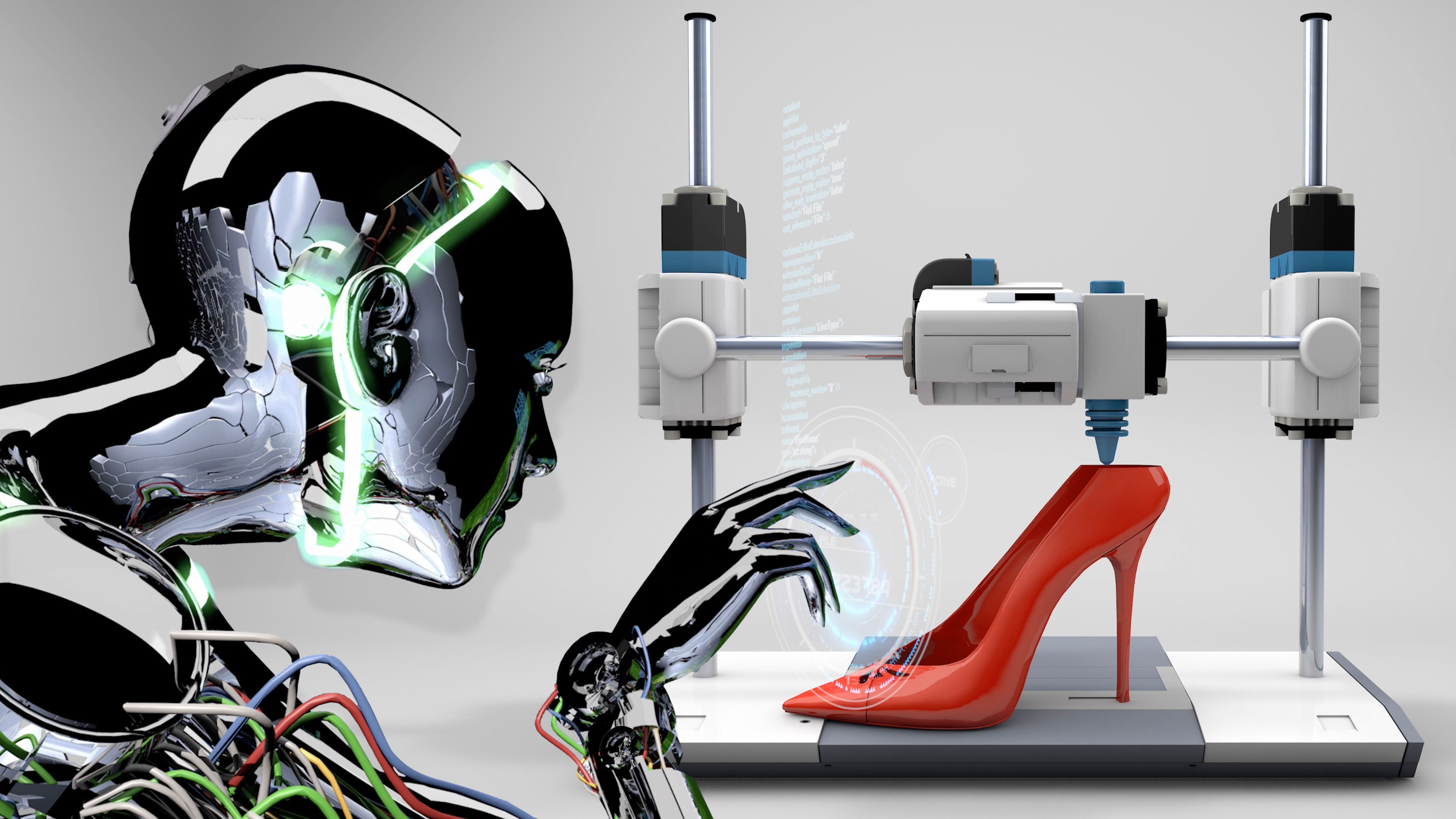
AI's ability to analyze consumer behavior and preferences allows for more targeted and efficient production, reducing waste and increasing sustainability. This shift towards AI-driven design is paving the way for a more eco-friendly fashion industry.
Blockchain for Transparency
Transparency and traceability are becoming increasingly important in fashion. Blockchain technology is being used to create secure and transparent supply chains, ensuring that consumers know the origins of their products.
By utilizing blockchain, brands can build trust with their customers, showcasing their commitment to ethical practices. This technology not only enhances brand reputation but also encourages responsible consumption.

3D Printing and Customization
3D printing is another technological marvel that is transforming fashion. It allows for the creation of customized clothing and accessories, giving consumers the freedom to express their unique style. This technology supports sustainable practices by reducing material waste and enabling on-demand production.
With 3D printing, fashion is becoming more inclusive and accessible, offering endless possibilities for personalization. As this technology continues to evolve, we can expect even more groundbreaking innovations in the industry.
Conclusion: The Future of Fashion
The integration of technology into fashion is not just a trend but a movement towards a more innovative, sustainable, and personalized industry. As digital fashion continues to evolve, it promises to redefine style and consumer experiences in unprecedented ways.
Embracing these technological advancements is essential for brands looking to stay competitive in a rapidly changing market. The future of fashion is digital, and it's shaping up to be an exciting journey for both creators and consumers alike.