
Exploring AI in Fashion: How Technology is Transforming the Industry


Introduction to AI in Fashion
In recent years, the fashion industry has begun to embrace the transformative potential of artificial intelligence (AI). From design to production and even retail, AI is becoming a crucial part of the fashion ecosystem. This technology is not only enhancing creativity but also optimizing processes and improving the overall customer experience.

AI in Fashion Design
AI is revolutionizing the way designers create fashion. By analyzing vast amounts of data, AI can predict trends, suggest designs, and even create original pieces. This allows designers to focus more on creativity while relying on AI for insights and inspiration. AI-driven tools can generate thousands of design variations, offering a new level of creative freedom.
Moreover, AI can analyze historical data and consumer preferences to forecast future trends. This predictive capability helps brands stay ahead of the curve and cater to consumer demands more effectively.
Streamlining Production Processes
AI is also making waves in the production side of fashion. By integrating AI into manufacturing, companies can enhance efficiency and reduce waste. AI algorithms can optimize fabric cutting and streamline supply chain operations, ensuring that resources are used wisely.
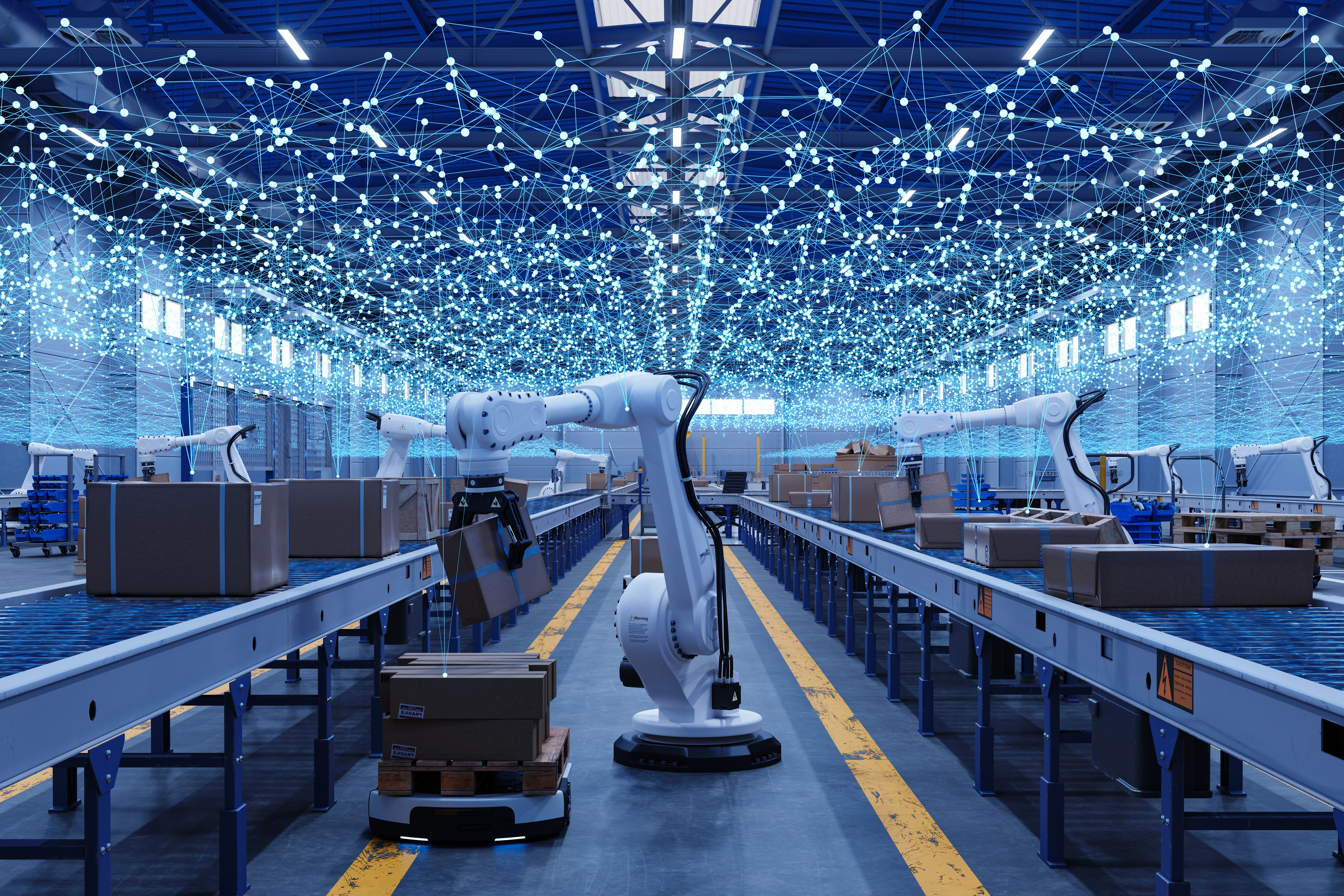
Additionally, AI-powered robots are increasingly being used in sewing and assembly lines. These machines can work tirelessly with precision, reducing the time and cost involved in garment production.
Enhancing Retail Experiences
AI is transforming how consumers shop for fashion. Virtual fitting rooms powered by AI technology allow customers to try on clothes virtually, offering a personalized shopping experience. This helps in reducing return rates and increasing customer satisfaction.
Furthermore, AI-driven chatbots provide 24/7 customer support, assisting shoppers with recommendations and inquiries. These intelligent assistants can enhance the shopping experience by offering tailored suggestions and resolving issues quickly.

Data-Driven Decision Making
One of the most significant advantages of AI in fashion is its ability to process and analyze large volumes of data. Brands can use this data to make informed decisions about inventory management, pricing strategies, and marketing campaigns. This data-driven approach allows companies to optimize their operations and improve profitability.
AI also helps in identifying consumer behavior patterns and preferences. By understanding what customers want, brands can tailor their offerings to meet the demands of their target audience more effectively.
Conclusion: The Future of AI in Fashion
The integration of AI in fashion is still in its early stages, but its potential is immense. As technology continues to evolve, we can expect even more innovative applications that will redefine the fashion landscape. By embracing AI, the fashion industry is not only enhancing creativity and efficiency but also paving the way for a more sustainable and personalized future.