The Future of Fashion: How Tech is Revolutionizing Style


The fashion industry is undergoing a remarkable transformation, driven by rapid advancements in technology. From smart fabrics to virtual reality, the future of fashion is being reshaped in ways that were once unimaginable. This evolution is not only changing how clothes are designed and produced but also how consumers interact with fashion.

The Rise of Smart Fabrics
One of the most exciting developments in fashion technology is the emergence of smart fabrics. These materials are embedded with digital components that can monitor health metrics, adjust to temperature changes, or even change colors. Imagine a jacket that can charge your phone or a dress that shifts shades based on your mood.
Smart fabrics are set to revolutionize athletic wear, offering performance-enhancing features such as real-time biometric tracking. Moreover, they are paving the way for sustainable fashion by creating clothes that last longer and adapt to the wearer’s needs.
3D Printing: Customization and Sustainability
3D printing is another groundbreaking technology making waves in the fashion industry. This technology allows for the creation of highly customizable clothing, reducing waste by using only the necessary materials. Designers can experiment with complex patterns and structures that were previously difficult to achieve with traditional methods.
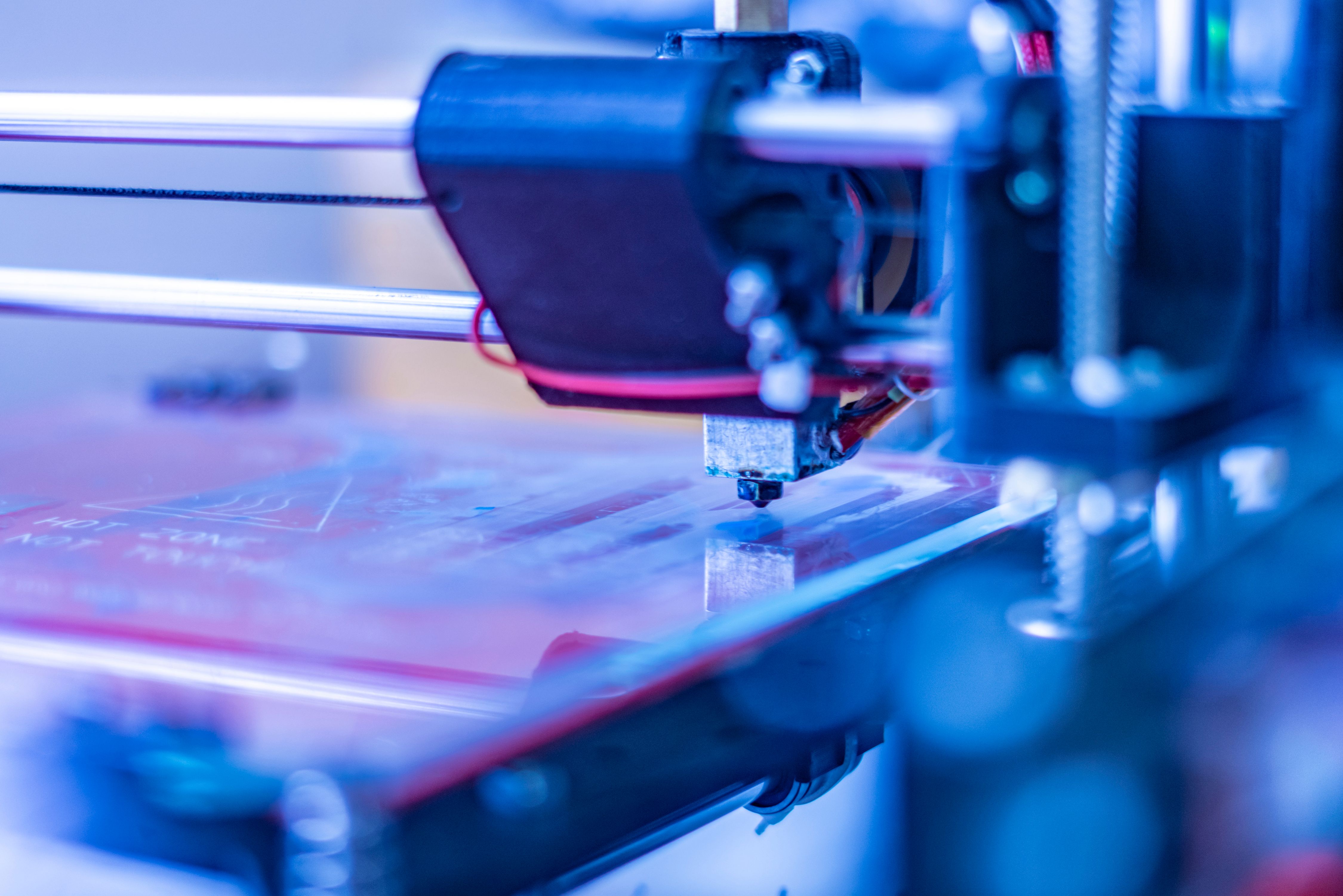
Beyond customization, 3D printing is fostering sustainability. By enabling on-demand production, it minimizes excessive inventory and reduces the carbon footprint associated with shipping. This approach aligns with the growing consumer demand for eco-friendly fashion.
Virtual and Augmented Reality in Fashion
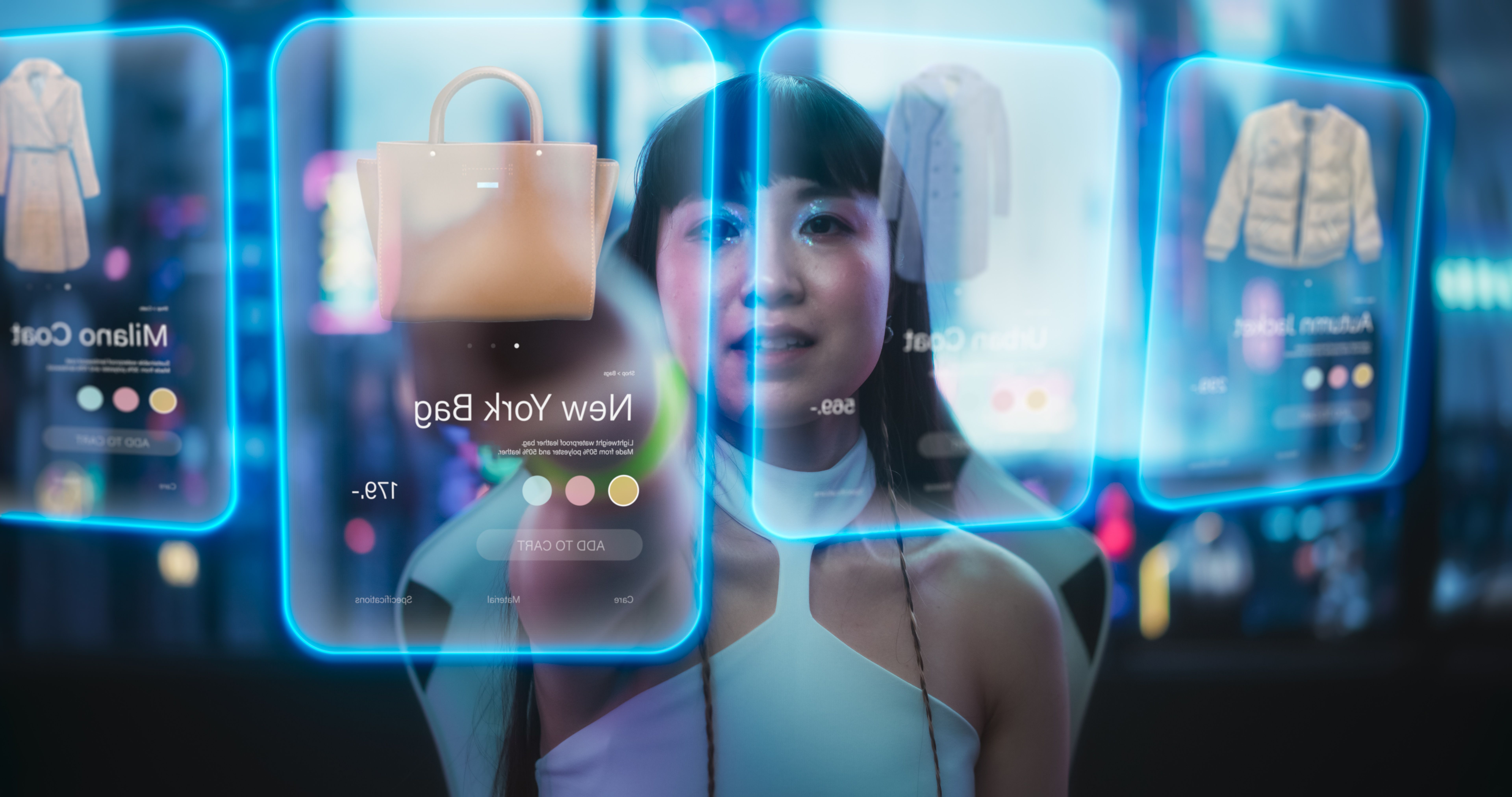
Virtual and augmented reality are reshaping how consumers shop and experience fashion. VR allows customers to attend virtual fashion shows from the comfort of their homes, offering an immersive experience without geographical limitations. AR, on the other hand, enhances the online shopping experience by allowing users to visualize how clothes will look and fit in real-time.
Retailers are leveraging these technologies to create interactive and engaging shopping experiences, ultimately increasing customer satisfaction and reducing return rates. This shift towards a more digital shopping experience is transforming the retail landscape.
Artificial Intelligence in Fashion Design
Artificial intelligence is playing a pivotal role in fashion design and forecasting. AI algorithms analyze vast amounts of data to predict trends, optimize supply chains, and personalize customer experiences. This data-driven approach enables designers to create collections that resonate with consumer preferences and market demands.
Moreover, AI-powered tools assist designers in creating innovative designs by providing insights and recommendations based on historical data and current trends. This collaboration between human creativity and machine intelligence is setting new standards in fashion design.
The Ethical Implications of Fashion Tech
While technology is revolutionizing fashion, it also raises ethical considerations. Issues such as data privacy, digital waste, and the impact on traditional craftsmanship must be addressed. The industry must find a balance between innovation and ethical responsibility to ensure a sustainable and inclusive future.
As technology continues to evolve, the fashion industry must adapt by embracing these advancements while considering their broader implications. The future of fashion is tech-driven, promising a more personalized, sustainable, and engaging experience for all.