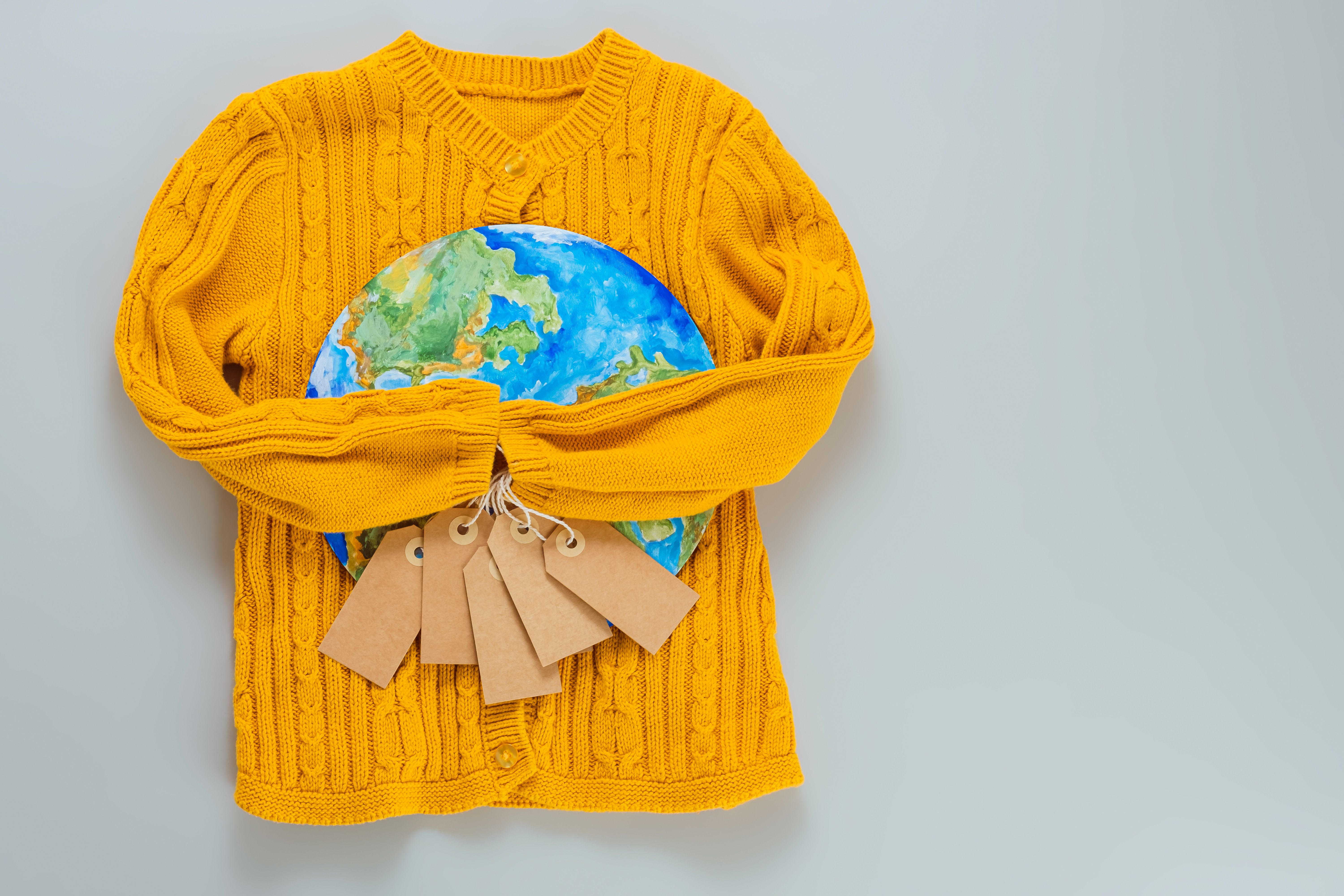
The Impact of Tech Fashion Trends on Sustainability


The Intersection of Tech and Fashion
The fusion of technology and fashion is revolutionizing the industry, introducing innovative designs and materials. This trend is not just about aesthetics; it significantly impacts sustainability. As consumers become more environmentally conscious, the demand for eco-friendly fashion is rising, and tech innovations are playing a crucial role in meeting these expectations.
One of the most notable advancements is the development of smart textiles. These fabrics are not only functional but also sustainable. By integrating technology, designers can create garments that adapt to environmental changes, reducing the need for multiple clothing items.

Reducing Waste with 3D Printing
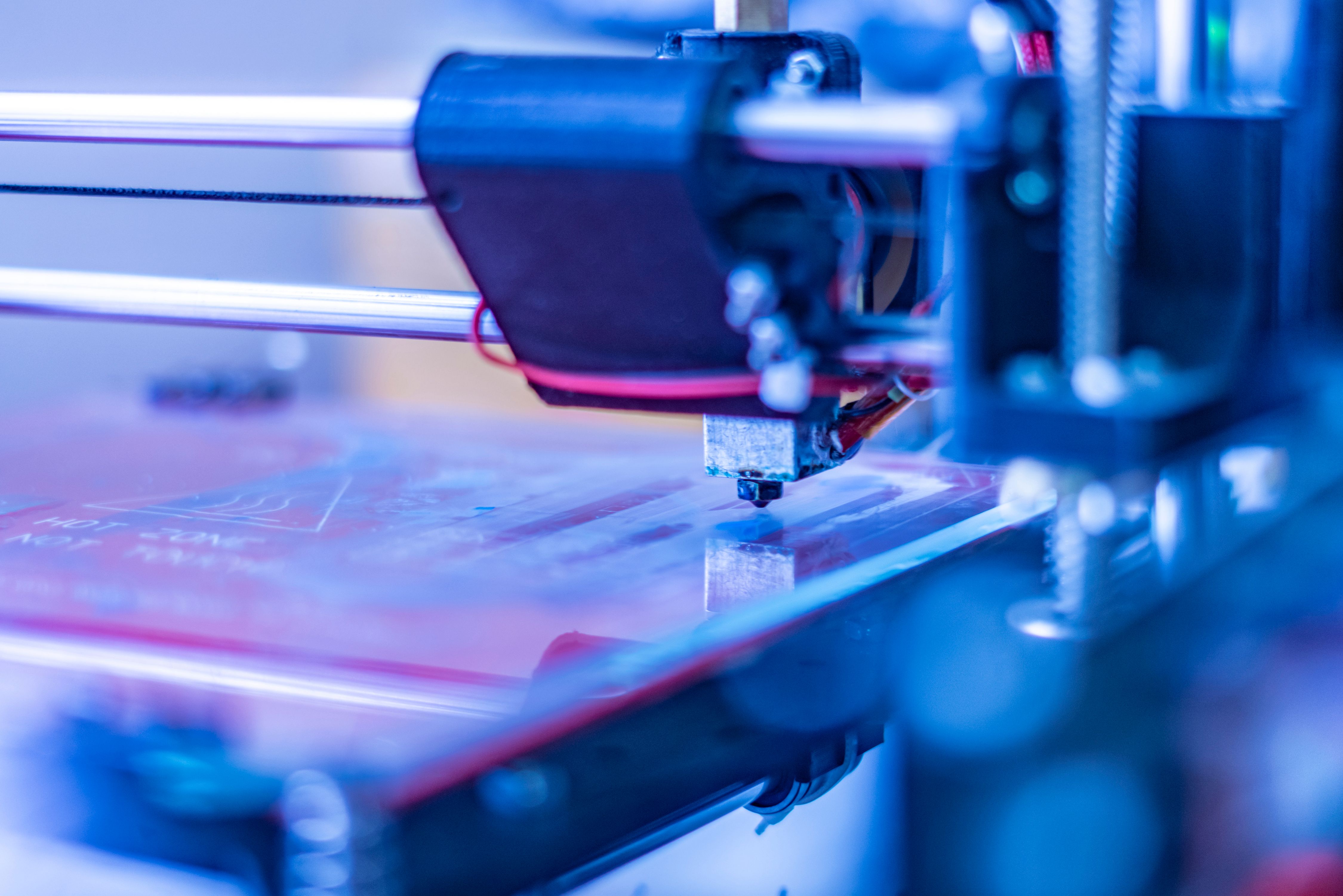
3D printing technology is transforming the way fashion is produced. This method allows for precise manufacturing, minimizing fabric waste. Designers can create intricate patterns and designs without the excess material typically associated with traditional methods. Moreover, 3D printing enables on-demand production, which can significantly reduce overproduction and its environmental impact.
By utilizing recycled materials in 3D printing, the fashion industry can further enhance its sustainability efforts. This approach not only conserves resources but also supports a circular economy, where materials are continuously repurposed.
Wearable Tech and Environmental Awareness
Wearable technology is gaining popularity, offering both functionality and sustainability. Devices such as smartwatches and fitness trackers encourage a more active lifestyle and provide insights into energy consumption. These innovations can help consumers make informed decisions about their environmental footprint.
Furthermore, sustainable wearables often incorporate eco-friendly materials, such as organic cotton or recycled plastics. This choice of materials reflects a growing trend in the industry to prioritize sustainability without sacrificing technological advancement.

Challenges and Opportunities
While tech fashion trends offer numerous benefits, they also present challenges. The production of technology-based garments requires energy-intensive processes, which can offset some sustainability gains. Additionally, the disposal of electronic components poses environmental risks if not managed properly.
Despite these challenges, the potential for positive impact is significant. By investing in research and development, the fashion industry can continue to innovate while reducing its environmental footprint. Collaborations between tech companies and fashion designers are essential to drive this progress.
The Future of Sustainable Fashion
Looking ahead, the future of sustainable fashion lies in the continued integration of technology. Innovations such as biodegradable sensors and energy-harvesting fabrics could redefine the industry. These advancements will not only enhance the functionality of clothing but also contribute to a more sustainable planet.
Consumers play a vital role in this transformation. By supporting brands that prioritize sustainability and technological innovation, individuals can drive demand for eco-friendly fashion solutions. Together, the industry and consumers can pave the way for a more sustainable future.