
The Rise of Digital Clothing: Exploring Its Impact on Sustainability


The Evolution of Fashion in the Digital Age
The fashion industry is undergoing a significant transformation with the rise of digital clothing. As technology advances, designers are exploring new ways to create and sell clothing that exists purely in the digital realm. This shift is not only reshaping the way we think about fashion but also has profound implications for sustainability.

What is Digital Clothing?
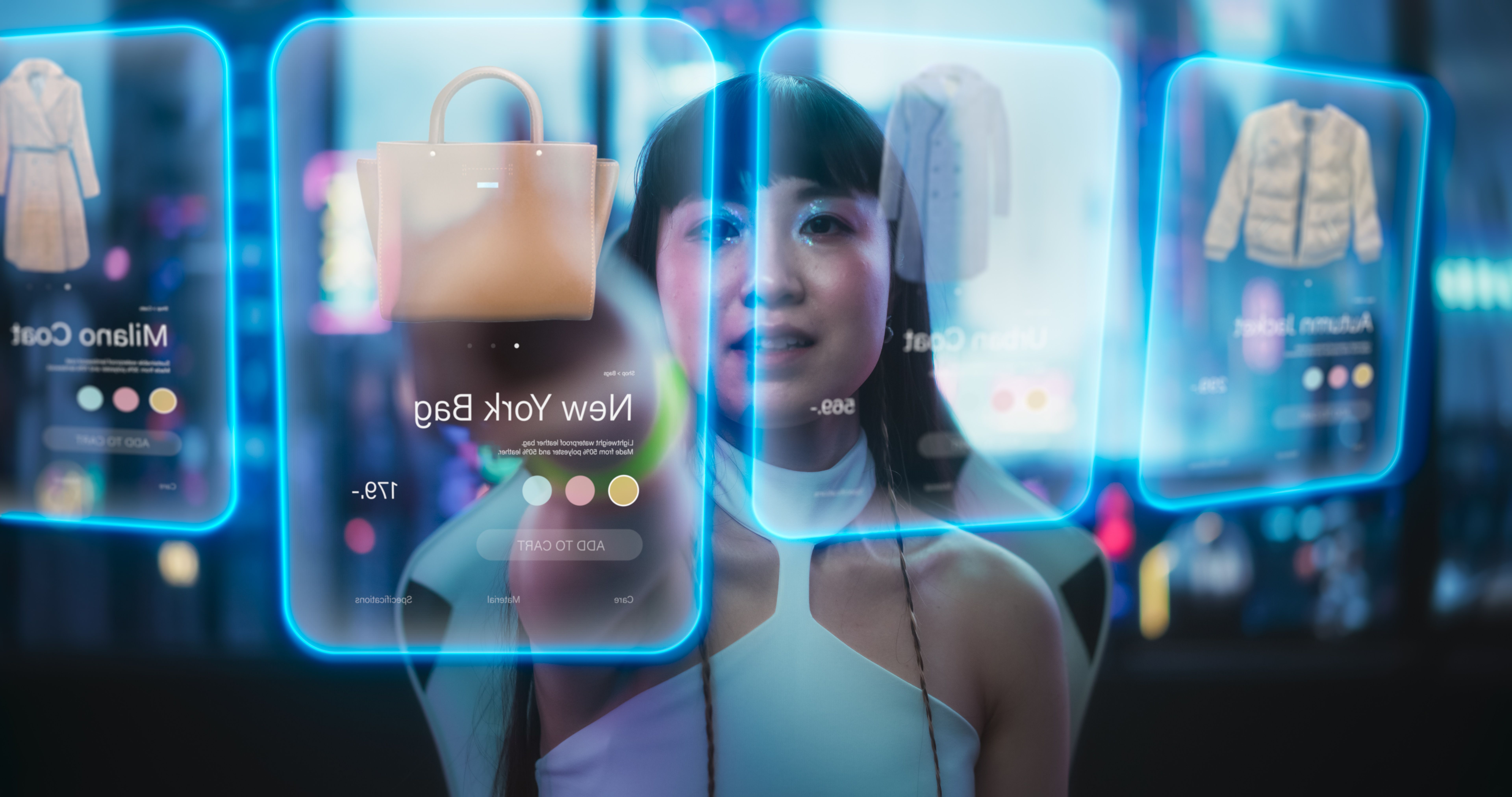
Digital clothing refers to garments that are designed and rendered using computer software. These clothes do not exist physically; instead, they are worn virtually, often used in social media, virtual reality, and augmented reality environments. This innovative approach allows consumers to express themselves through fashion without the environmental impact of traditional garment production.
With the increasing popularity of digital fashion, brands are creating collections that are entirely virtual. These items can be purchased and "worn" in digital spaces, offering a new dimension of personalization and creativity for fashion enthusiasts.
Environmental Benefits
One of the most compelling aspects of digital clothing is its potential to reduce the environmental footprint of the fashion industry. Traditional clothing production involves a significant amount of water, energy, and raw materials. By contrast, digital garments do not require these resources, making them a more sustainable option.
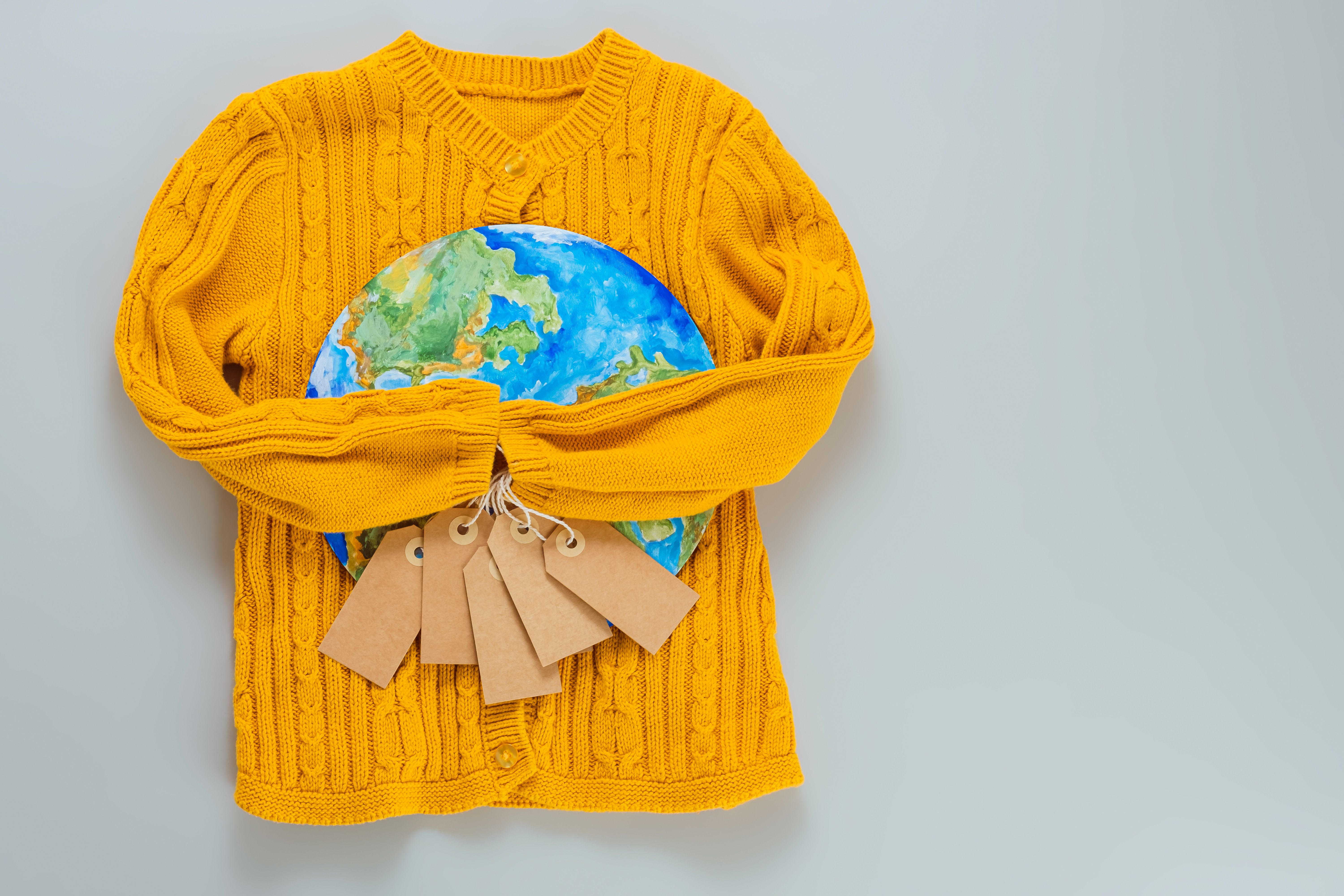
The elimination of physical production also means a reduction in waste. There are no unsold stock or returns to manage, which contributes to a more sustainable fashion ecosystem. Digital clothing presents an opportunity to minimize the environmental impact of fast fashion by offering an alternative that satisfies the desire for newness without the associated waste.
Challenges and Opportunities
While digital clothing offers many advantages, it also presents certain challenges. One of the main hurdles is consumer acceptance. Many people still value the tangibility of physical garments and may be hesitant to invest in something they can't physically touch or wear.
- Consumer Education: Educating consumers about the benefits of digital fashion is crucial for widespread adoption.
- Technological Barriers: Ensuring that digital garments are accessible and compatible with various platforms is essential.
- Creative Opportunities: Digital fashion allows designers to experiment with forms and materials that are impossible in the physical world.
The Future of Fashion
As digital clothing continues to gain traction, it is likely to become an integral part of the fashion industry. Brands that embrace this technology can offer unique products that appeal to a tech-savvy and environmentally conscious audience. Moreover, the ability to create and showcase fashion in a digital format opens new avenues for creativity and innovation.
Ultimately, the rise of digital clothing represents a promising step toward a more sustainable future for fashion. As technology evolves and consumer attitudes shift, digital garments could become a mainstream option, redefining how we engage with clothing and personal style.